
How We Check Every Claim Twice
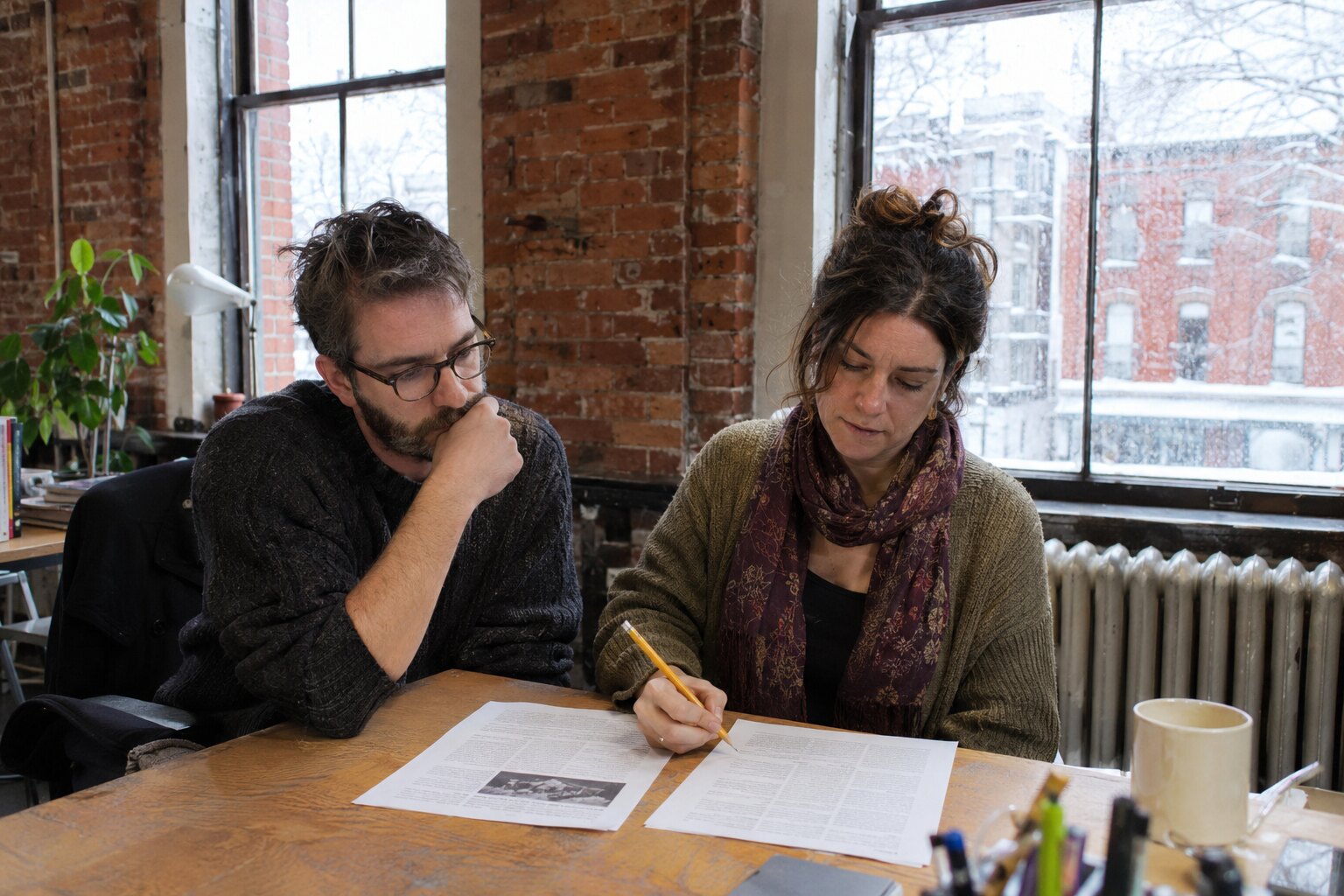
One quote or one opinion rarely tells the whole story, so a single source is treated here as a starting point, not a settled answer. Readers around Syracuse who are weighing breast augmentation, liposuction or a mommy makeover are the people these pages are written for.
A lone quote is a lead to check
The focus here is second-opinion frameworks, comparing proposals, and the questions that surface hidden assumptions. A proposal usually arrives as one voice with one number. Checking it against another voice is how a reader finds out which parts hold up.
How guidance is gathered and checked
The research method is simple. Published pricing and guidance are collected from named publishers, and each procedure page then points to at least one other, independent publisher, so a reader can run the second check. Public references such as the MedlinePlus overview of plastic and cosmetic surgery show the kind of source that counts as a second check, and the NHS page on facelift surgery is another.
Taking an unconfirmed claim to your consultation
Every sourced statement on these pages names its publisher, so a reader can see when a point rests on one publisher alone. When a claim in a quote cannot be found in a second, independent source, the procedure pages treat that gap as the question to take into the consultation.
How to read the pages
The tone is that of a fair-minded skeptic that rewards good questions. Each of the shorter pages under a guide ends with a question to bring to a consultation, because a good question tests a proposal faster than a general opinion does. For a broad definition of the field, the Wikipedia article on plastic surgery is a starting point, one to question like any other.