
One line a reader may hear about breast augmentation is that it is routine. A routine procedure can still carry a published list of risks, and this page sets that list beside a second source so you can see what a proposal may have left out.
What the published list says
The American Society of Plastic Surgeons lists possible risks of breast augmentation surgery, beginning with anesthesia risks, bleeding and changes in nipple or breast sensation. Its list also includes fluid accumulation (seroma), hematoma, infection, persistent pain and poor scarring. It names formation of tight scar tissue around the implant, called capsular contracture, along with implant leakage or rupture.
The same list includes wrinkling of the skin over the implant and wrong or faulty position of the implant. It also names breast implant-associated anaplastic large cell lymphoma (BIA-ALCL) and other very rare cancers in the capsule around the breast. For the lymphoma, the society publishes a BIA-ALCL summary that you can read in full.
What a second publisher adds
The U.S. Food and Drug Administration states that breast implants are not lifetime devices. Set that beside the society's list, which includes the possibility of revision surgery. Together they point to a question about time, not only about the day of the operation.
The assumption a proposal can hide
A proposal can assume that the list above is background and not part of your decision. It can also assume a single outcome and say little about what follows a complication. Look for what the quote does not say about each listed risk, and about what happens if revision becomes necessary.
For a general reference outside a clinical publisher, the Wikipedia article on breast augmentation is a place to start. Each statement there carries a citation, and the cited publisher is the one to check before you rely on it.
The question to ask at a consultation
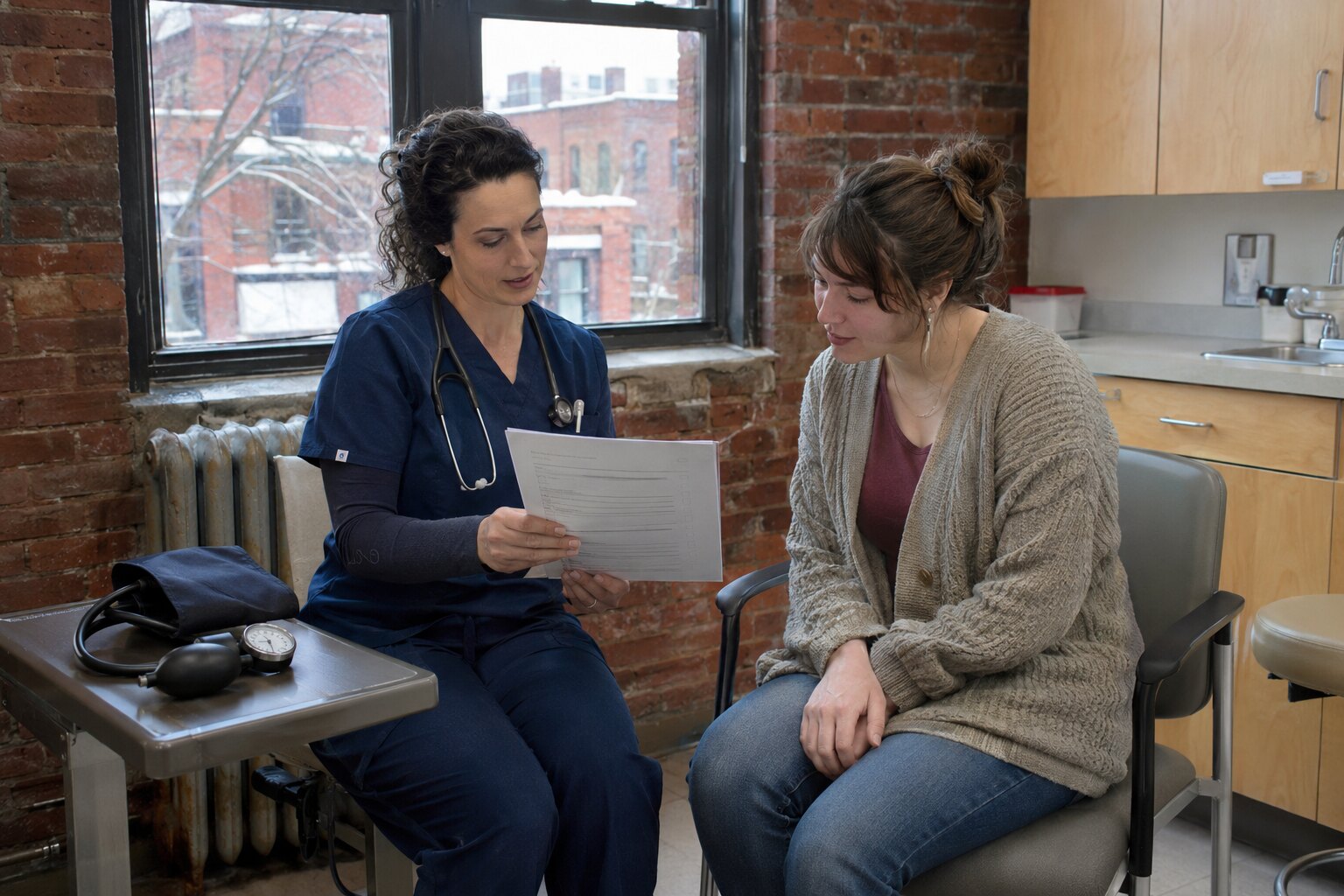
Ask which of the listed risks apply to your case, and what the plan is if you need revision surgery. A clear answer to both is easier to check than a general reassurance.